

Paid Vacation Has a New Look. Do You Need This Employee Benefit?

Paid Vacation Has a New Look. Do You Need This Employee Benefit?

In this week’s Best Money Moves roundup, we take a look at news stories and new research studies that may impact employee benefits and HR issues. We hope you find this news roundup helpful, and we’d love your feedback.

American workaholics have given rise to a new employee benefit: paid paid vacation.

In 2015, Project: Time Off found that 55 percent of Americans had a collective 658 million days of unused vacation time. That works out to about two weeks for every person. In response to this so-called “work martyrdom,” many U.S. companies have introduced “paid paid vacation” perks to encourage their employees to take time off. It’s not just to attract talent, either. These significant vacation bonuses, stipends and other time-off perks are geared toward helping employees reduce stress and improve their mental health. Would this work for your company? Learn more.

Millennial employees are new to financial adulthood. One of the first steps toward financial independence is building a budget, but many workers – young and old – don’t know where to start. Here’s how to answer their questions.

What’s the trick to keeping loyal employees? People want to work for companies with inspiring missions. Develop a shared vision.

Poor mental health is costing your company money. Sixty percent of employees diagnosed with a mental illness don’t seek treatment, which leads to high turnover, burnout, exhaustion and decreased motivation at work. Understand what you can do to help.

Generation Z just joined the workforce, and they’re already changing the benefits landscape. Their biggest financial concern? Student loan debt. Get ready for Gen Z workers.

Some job perks appeal to workers of every generation. Not everyone has student debt or wants to work from home, but there are some benefits everyone agrees are essential. Here are the top three.

More employers than ever are seeking wellness solutions. They recognize that employee health doesn’t just save money; it leads to increased productivity and satisfaction as well. Check out these key trends.

Not all millennials are the same. The needs of a 23-year-old are different from those of a 35-year-old, but both get lumped together by generation. Craft a benefits package that meets workers where they are.

Are you comfortable at work? Removing distractions and improving your office’s creature comforts boosts productivity. Learn how to get started.

It’s no surprise that the American workplace is changing. The majority of U.S. employees are hourly workers, and technology is having a profound effect on the way many jobs are done. Look out for these four shifts.


Have something to add? Email info@bestmoneymoves.com.

 

Engagement Will Prove the Value of Your Financial Wellness Program

Engagement Will Prove the Value of Your Financial Wellness Program

In this week’s Best Money Moves roundup, we take a look at news stories and new research studies that may impact employee benefits and HR issues. We hope you find this news roundup helpful, and we’d love your feedback.

Is your financial wellness program paying off?

Some companies look at the price of financial wellness programs to decide which service to offer, but it’s more complicated than that. A recent survey by Ernst and Young reveals that employee engagement is a better indicator of whether a financial wellness program is “worth it.”

It starts with understanding your workforce’s diverse demographics, since most workforces span multiple generations, as well as how people think and feel about money. In this case, the survey results were clear: Companies that invested in financial wellness plans saw a direct and positive impact on employee well-being, retention and productivity.

Financial wellness can’t be measured effectively using short-term metrics, but by taking a calculated risk to support employees, companies are seeing results that really matter. Check out the full report to see the benefits of an engagement-focused approach.

Best Money Moves is a Next Great HR Tech Company finalist! We are incredibly grateful for your support and can’t wait to take the stage at the HR Technology Conference in October. See the full list of finalists.

Men and women experience work differently. That means your company’s efforts to boost employee engagement can’t be one-size-fits-all. Here are some solutions.

What’s the trick to keeping millennial employees around? This ex-Google employee thinks student loan repayment has something to do with it. Read her solution.

How are employers addressing the rise in healthcare costs? By looking at which health conditions are hitting their employees hardest and helping them better manage their symptoms. Here are the 10 biggest culprits.

Gen Z is ready to disrupt the workforce. This generation, comprised of people born in 1994 or later, are entering the workforce with a new approach to diversity, communication, technology and benefits. Learn how to keep up.

Work-life balance is pushing older workers into retirement. Sudden health shocks, caregiving responsibilities and other obligations often cause workers to retire earlier than they might have otherwise. What can employers do to help?

Open enrollment isn’t just about health insurance. This year, employers are likely to offer more voluntary benefit options than in the past, including expanded financial wellness programs. See what else is in store.

How do you know if your employees are engaged? Surveying employees is a typical strategy, but what if you’re asking the wrong questions? Build a better engagement survey.

Telehealth is an employee benefit on the rise. According to the Large Employers’ 2018 Health Care Strategy and Plan Design Survey, 96 percent of employers will offer telehealth services next year in states where it is permitted. Learn more.

Have something to add? Email info@bestmoneymoves.com.

It’s Easy to Help Your Employees with Retirement Planning

It’s Easy to Help Your Employees with Retirement Planning

In this week’s Best Money Moves roundup, we take a look at news stories and new research studies that may impact employee benefits and HR issues. We hope you find this news roundup helpful, and we’d love your feedback.

Are you ready to take an active role in your employees’ retirement planning?

Workers face a lot of challenges when it comes to saving for the future. When folks are living paycheck-to-paycheck and aren’t sure if they can make ends meet, contributing to a 401(k) plan they don’t completely understand just isn’t a priority. Employers see the financial stress their people are facing and want to do something about it, to protect their teams, increase productivity and improve retention rates.

Lots of business owners and HR departments are already doing more to improve the financial well-being of their employees by offering benefits like on-site childcare, flexible work hours and the ability to work remotely, but there’s more that can be done when it comes to retirement support.

From automatic enrollment to greater access to defined contribution plans, here are some things you can do to help your employees retire well.

Best Money Moves is a semifinalist for the title of “Next Great HR Technology Company!” We’re really thrilled to be in the running, and we need your help to make it all the way to the finals in Las Vegas next month. Vote for BMM here and spread the word!

More Americans are feeling confident about their financial situations. Unfortunately, many of them are underestimating their costs of living in retirement. Here’s what your workers need to know.

“Brownout” is affecting your employees. It might not be as serious as burnout, but disengaged workers can be problematic for your office. Learn how to turn morale around.

Are you responsible for your employees’ financial know-how? Legally no, but financial wellness programs are integral to employee happiness and retention. Read this, and then get started.

Mental health programs help employees. Since 20 percent of millennial workers (and 16 percent of baby boomers and Gen Xers) report being depressed, it’s your responsibility to help destigmatize mental illness in your workplace. Acknowledge what your people are going through.

Serious illnesses such as cancer are difficult to manage, especially in the workplace. Each case is unique, but there are some tried-and-true methods for helping your employees through health challenges. Learn how to have a compassionate conversation.

Opioid addiction is officially a national emergency. It’s one of the major reasons men ages 25 to 54 have dropped out of the workforce, and companies in certain parts of the country are feeling the effect. Here’s what this could mean for you.

Americans have a problem with financial literacy. Questions related to long-term financial planning (like preparing for healthcare in retirement, claiming Social Security and buying life insurance) appear to be the biggest hurdle, according to a new survey. It’s clear financial wellness is more important than ever.

Focusing on holistic wellness programs works. Covering physical, mental and financial health, these programs boost employee engagement and loyalty, says the latest Business of Healthy Employees survey. See how your company could benefit.

Have something to add? Email info@bestmoneymoves.com.
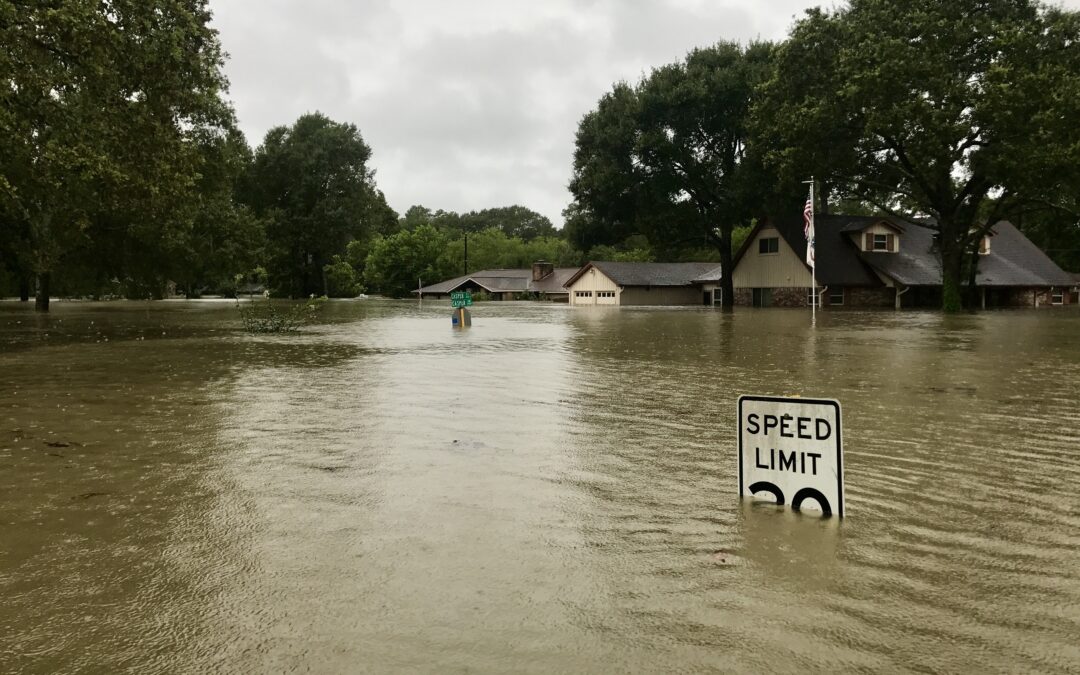
Hurricane Harvey Reminds Us Why Disaster Preparedness is Important

Hurricane Harvey Reminds Us Why Disaster Preparedness is Important

In this week’s Best Money Moves roundup, we take a look at news stories and new research studies that may impact employee benefits and HR issues. We hope you find this news roundup helpful, and we’d love your feedback.

In the wake of Hurricane Harvey, it’s time to examine your company’s disaster preparedness plan.

Those affected by Hurricane Harvey – and those anticipating the effects of Hurricane Irma – continue to be in our thoughts and prayers. If you’re in a position to help, we hope you’ll consider donating to the American Red Cross or another organization providing assistance to those beginning to recover.

It’s critical for businesses to have a plan for responding to natural disasters. From figuring out how to handle power outages and transportation challenges to purchasing the right insurance coverage, getting a head start before a storm could mean the difference between successful crisis management and shutting your doors. Employees need to know they can trust their employers to protect their health, safety and jobs should the worst occur.  

Think you have all your bases covered? Take a look at this disaster preparedness checklist.

One of the biggest sources of financial stress is healthcare. Open enrollment season is right around the corner, and it’s time to start thinking about how you can guide your employees through the process. Expect these three issues to come up.

Employee burnout can be disastrous. In fact, 20 to 50 percent of employee turnover is due to burnout, according to a 2017 Workplace Trends study. Protect your team.

What keeps good employees from jumping ship? “Job satisfaction” and “company environment” are two of the core factors that motivate workers to stick with your organization. Here are some tips for keeping folks engaged.

Is your company a “millennial magnet?” Those cliché millennial perks – like office kegs and ping pong tables – can be fun, but they aren’t always the most appealing to young workers. Choose benefits that really matter.

Casinos could help your company win big. While gambling at work isn’t the answer, casinos are known for maximizing customer satisfaction, and your company could boost employee satisfaction with some of the same principles. Learn how.

How well do you know your employees? Getting to know your employees on a personal level can improve morale and directly benefit your business. Recognize the “human” in human resources.

Employer wellness programs are popular, and it’s no surprise. Healthy, happy employees are typically more productive than unhealthy employees. What do your employees want?

What could your company learn from Airbnb? Airbnb’s focus on creating a strong employee experience ranked them sixth on the Employee Experience Index. Learn these three principles.

Millennials are now the largest generation of workers in the U.S. Not only are nine out of 10 saving for retirement, they’re seeking out employers who offer benefits that align with their values. Here’s what millennials think about retirement, work and money.


Have something to add? Email info@bestmoneymoves.com.

Cut the Guesswork Out of the Employee Benefits Game

Cut the Guesswork Out of the Employee Benefits Game

In this week’s Best Money Moves roundup, we take a look at news stories and new research studies that may impact employee benefits and HR issues. We hope you find this news roundup helpful, and we’d love your feedback.

Open enrollment is just around the corner and, according to The Guardian Workplace Benefits Study, 25 percent of employees believe choosing their benefits is a “guessing game.”

Most employees learn the bulk of the information about their benefits package at new hire orientation, and then rarely hear about it after that. Your employees can’t take advantage of benefits they don’t fully understand. Luckily, 51 percent of employees want more relevant advice about their benefits options, especially during the enrollment process. It’s easier to help that you might think.

8 ways to make employee benefits easier to understand

Make Labor Day meaningful for your employees. One of the top reasons employees leave their jobs is because they don’t feel their work is appreciated. Want to celebrate your team? Put yourself in their shoes.

“Engagement” is more than a buzzword. Investing in your employees encourages them to stay invested in you. Ten reasons engagement matters.

Is your 401(k) plan too complicated? Simplifying your retirement plan will make it more attractive to employees, and there’s behavioral research to back it up.

Your employees’ financial problems are your problems. According to a new CareerBuilder survey, 78 percent of workers are living paycheck-to-paycheck, and it’s affecting their quality of work.

What’s your company’s disaster preparedness plan? According to the U.S. Department of Homeland Security, 61 percent of small businesses have no disaster plan. Here’s why that needs to change.

Organizations with more female leaders perform better. They’re also more profitable and can signal a more inclusive culture that helps attract and retain talent. Support the women in your company.

Voluntary benefits are gaining momentum. An expanding range of voluntary benefits gives employers more flexibility and employees more options. Here are the trends heading into 2018.

Are your employees saving for retirement healthcare costs? When people estimate how much they need to save for retirement, they often forget to take healthcare expenses into account. Learn how you can help.

It’s time to think holistically about your benefits package. Employees are looking for employers that offer a “total rewards” package that supports the lifestyle they want to have today and in the future. Wondering where to start? Ask yourself these four questions.


Have something to add? Email info@bestmoneymoves.com.