3 Ways to Recession-Proof Your Benefits Program

3 Ways to Recession-Proof Your Benefits Program

3 ways to recession-proof your benefits program.  How can your workforce prepare as a recession looms on the horizon? Here are 3 ways to recession-proof your benefits program. 

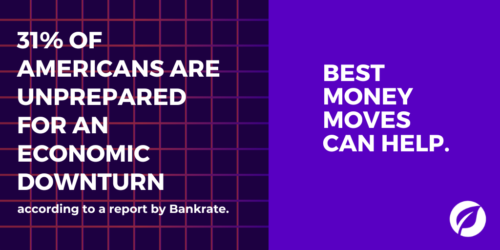
With a potential recession on the horizon, employers must focus on the financial wellbeing of their employees. Thirty-one percent of Americans are unprepared for an economic downturn, according to a report by Bankrate.

If companies hope to address the ever-changing needs of their employees they must create a benefits package that’s fit for economic hard-times. Here are 3 strategies to recession-proof your benefits program.
1. Before you recession-proof your strategy, know what your employees want most

A comprehensive benefits package can be the difference between landing a good and a great candidate. There are many aspects to a perfect benefits package, but it comes down to what the employees value the most. Sending out an employee survey is beneficial in finding how to best allocate your benefits budget. Also, in a tumultuous economic period, employees are looking for substance over flash.

Employees ranked work scheduling flexibility, healthcare and financial wellness programs as the benefits most important to them according to PeopleKeep. Focusing on the benefits that people want the most will also help employers save money on benefits with low utilization rates.

2. Have a concrete benefits philosophy, but be flexible

Many HR professionals have only created benefits packages while the economy was in full swing. Rocky roads ahead will force companies to transform quicker and be more open to change. Flexibility is a strength, but creating too many changes and losing sight of the long-term goals of a benefits program will lead to more issues. 

One area that employees are clamoring for more flexibility is in their work schedules. As travel costs skyrocket, providing employees remote work opportunities can help their wallets. According to LiveCareer, 3 out of 10 employees wouldn’t consider working at a company that didn’t offer remote work and 87% of working professionals felt connected with their organization despite working from home. Adapting to employee needs will keep employees afloat through difficult times without affecting productivity.

3. Make your plan recession-proof with a focus on financial wellness

One of the biggest changes caused by the recession is how employees treat their financial wellness. Workers will be more focused on their personal finances and it will take a toll on their mental health. 

Providing a comprehensive financial wellness benefit package is a perfect way for employers to tackle this issue head-on. A comprehensive package is beneficial to employees and employers alike. According to PWC’s financial employee wellness survey, 76% of financially stressed employees said their worries affected their productivity. The best financial wellness programs will undertake a holistic approach, tackling all arenas of personal finance from budgeting to investing. 

Take the first step toward a recession-proof benefits strategy with Best Money Moves. 

Best Money Moves is a mobile-first financial wellness solution designed to help dial down employees’ most top-of-mind financial stresses. As a comprehensive financial well-being solution, Best Money Moves offers 1:1 money coaching, budgeting tools and other resources to improve employee financial wellbeing. Our AI platform, with a human-centered design, is easy to use and fit for employees of any age, right from their mobile phones.

Whether it be college planning or securing a mortgage, Best Money Moves can guide employees through the most difficult financial times and topics. Our dedicated resources, partner offerings and 700+ article library make Best Money Moves a leading benefit in bettering employee financial wellness. 

To learn more about Best Money Moves Financial Wellness Platform, let’s schedule a call. Contact us and we’ll reach out to you soon.

Financial Wellness Platforms: How To Launch the Best One for Your Employees

Financial Wellness Platforms: How To Launch the Best One for Your Employees

Financial Wellness Platforms: How to launch the best one for your employees. Financial wellness platforms can help support employees through tough times. Here’s how to launch the best one for your team. 

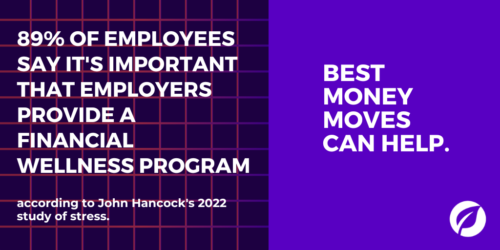
Employees are feeling the heat. According to John Hancock’s 2022 study of stress, 89% of employees said it was important that employers provided a financial wellness program and 74% said a financial wellness program would help reduce their stress. 

Choosing and implementing the right financial wellness platform for your company is critical for reducing employee stress and increasing productivity. Here are 3 steps a company needs to ensure a successful financial wellness program.

1. Evaluate your team’s need for financial wellness platforms.

In order for a benefits program to be successful, it needs to align with what employees want. A great way for employers to find out what their employees want is by conducting a needs assessment. These can be done in the form of personal interviews or questionnaires.

A recent trend in employee benefits has been an increased emphasis on financial wellness.  68% of employees said they would rather have financial wellness benefits than an extra week of vacation, per a Betterment report.  Implementing a financial wellness platform is a great way for employers to signal to their employees that their wants and needs are a top priority.

2. Compare financial wellness platforms to find a comprehensive solution. 

The most successful financial wellness platforms will include a wide array of tools and resources. Some of the best will include:

  • Personalized solutions. Personal finance is a wide-ranging topic that can affect many areas of life. According to a PWC study, the most requested employee benefit is a financial wellness program that grants access to unbiased counselors. However, Best Money Moves grants access to trained, accredited professionals that are tailor-made to help each individual.
  • An easy-to-use interface. It can be a big leap for many employees to ask for help on their personal finances and it can be overwhelming to figure out where to begin. According to PWC, 41% of financially stressed employees said they were too embarrassed to ask for assistance on their personal finances. Best Money Moves lends a helping hand and provides detailed instructions on where to start and how to use our services.
  • Intuitive tools. One of the most important components of a financial wellness platform is the tools made available for employees to use. According to a Sofi study, 62% of employees requested budgeting tools as a part of their wellness package. The Best Money Moves platform provides a simple and effective budgeting tool that takes user data and personalized solutions. In order to ensure a successful program, the employer has to take extra steps in the form of emails and meetings to ensure their employees have a full grasp of their benefits.

3. Take time to implement your chosen program

It’s integral to introduce a plan that can be easy for employees to comprehend. According to TIAA’s 2022 Financial Wellness Survey, 9 in 10 employees with high financial wellness scores reported that they understand their program very well compared to 4 in 10 with low financial wellness scores. In order to ensure a successful program, the employer has to take extra steps in the form of emails and meetings to ensure their employees have a full grasp of their benefits. 

Also, it’s beneficial to have metrics within the programs that show employers how often their employees are interacting with the program. 

Best Money Moves is a mobile-first financial wellness solution designed to help employees meet their most top-of-mind financial goals. With budgeting tools and personalized money coaching, users can easily receive comprehensive financial advice right from their phones.

Focused on user-friendliness, Best Money Moves is designed to bring financial wellness resources right to the fingertips of employees. Our dedicated resources, partner offerings and 700+ article library make Best Money Moves a leading benefit in improving employee financial well-being.

To learn more about Best Money Moves Financial Wellness Platform, let’s schedule a call. Contact us and we’ll reach out to you soon.

Addressing the Employee Financial Literacy Gap

Addressing the Employee Financial Literacy Gap

Addressing the employee financial literacy gap. Here’s how a lack of financial literacy can affect your employees and what you can do to help solve the problem.

Only one-third of Americans have a solid understanding of interest rates, mortgage rates, and financial risk, according to the Financial Industry Regulatory Authority. This measure of financial literacy has fallen 19 percent over the past decade and is estimated to have cost Americans more than $415 billion in 2020 alone. 

The impact of employee financial illiteracy

As financial literacy has become less prevalent amongst employees, the effects have been felt from the workplace to the home. This can take a toll on an employee’s mental health and cause a burden they carry with them to work. According to PWC’s employee financial wellness survey, 56% of employees are stressed about their personal finances. This dearth of knowledge not only costs individuals but businesses as well. Employees that are financially stressed lose around a month of productive work days a year, as per Neighborhood Trust. 

The impact of a financially stressed employee can branch out to all members of the office. Workers that are missing chunks of time due to stress can delay projects and cause additional stress on other employees. Providing employees with a way to achieve financial literacy can help alleviate these concerns. According to SHRM, financially literate employees are less stressed and more focused. This results in higher productivity by way of less absenteeism and lower healthcare costs for the employer. 

How to help address the employee financial literacy gap

One of the easiest ways to assist employees on their journey to financial literacy is by providing a financial wellness platform in their benefits package. Not only do programs help workers, but a thorough financial wellness benefit can also help employers in hiring. 84% of employers said that offering a financial wellness program assists in employee retention and 8 of 10 said that a quality program helps attract higher quality employees, according to Bank of America. 

Providing a comprehensive financial wellness program is a signal that an employer understands the problems of their employees and works to solve them. ¾ of financially stressed employees are more attracted to a job that cares about their financial well-being. Also, assisting employees can put money back into the pocket of employers.  As per the ASPPA (American Society of Pension Professionals and Actuaries), 80% of employers said that financial wellness programs result in increased workplace productivity. 

Find your employee financial literacy solution with Best Money Moves.

Best Money Moves is a mobile-first financial wellness solution designed to help employees dial down their financial stress and meet their most top-of-mind financial goals. With budgeting tools and personalized money coaching, users can easily receive compressive financial advice right from their phones. 

Best Money Moves is designed to guide employees through the most difficult financial times and topics. Our dedicated resources, partner offerings and 700+ article library make Best Money Moves a leading benefit in bettering employee financial wellness.

To learn more about Best Money Moves Financial Wellness Platform, let’s schedule a call. Contact us and we’ll reach out to you soon.

What Are the Deadlines for Open Enrollment 2023?

What Are the Deadlines for Open Enrollment 2023?

What are the deadlines for open enrollment 2023? Help your employees understand their options during this critical period. Here are all the dates and deadlines to know. 

The open enrollment period comes around every fall as a time for many Americans to opt into an insurance plan for the upcoming year. 

Open enrollment 2023 is a critical time for your employees to review their existing insurance coverage and make decisions that will affect their family throughout the following year. For important information relating to enrollment periods and qualifications for special enrollment, read below.

When is open enrollment 2023?

In the majority of states, the open enrollment period for health coverage that begins on January 1, 2023, is November 1, 2022 to January 15, 2023. In order to guarantee coverage that begins on January 1, 2023, employees must enroll by December 15, 2022. 

However, many states have different time periods for when people are allowed to enroll so it is essential to keep up with your state’s rules and regulations.

These are states that have different dates than those listed above:

  • California: November 1, 2022  through January 31, 2023
  • Idaho: October 15, 2022 through December 15, 2022
  • Massachusetts: November 1, 2022 through January 23, 2023
  • New Jersey: November 1, 2022 through January 31, 2023
  • New York: November 16, 2022 – Enrollment open through the end of the ongoing COVID pandemic 
  • Rhode Island: November 1, 2022 through January 31, 2023
  • Washington DC: November 1, 2022 through January 31, 2023

Other Dates and Special Enrollment Periods to be Aware of

  • In the past 60 days you had one of these household changes:
    • Marriage
    • Having a baby, adopting a child or placing a child for foster care
    • Legally separated or divorced causing a loss of health insurance
    • Someone on your Marketplace plan dies
  • Changes in residence, including: 
    • Moving to a new ZIP code or county
    • Moving to the United States from a foreign country
    • For students, moving to or from a place that you are attending school
    • For seasonal workers, moving to or from a place you live and work
    • Moving to or from a shelter or other types of transitional housing
  • If you or a member of your household lost health insurance in the 60 days prior to enrollment (or more than 60 days ago and before January 1, 2020)
  • If you are a member of your household were recently employed and gained access to an individual coverage HRA or a Qualified Small Employer Health Reimbursement Arrangement  in the past 60 days or expect to in the next 60 days
  • Becoming a member of a federally recognized tribe
  • Beginning or ending service as a AmeriCorps State and National, VISTA, or NCCC member
  • Recently became a U.S. citizen
  • Leaving incarceration

For more information and updated information about the open enrollment period, refer to healthcare.gov.

To learn more about Best Money Moves Financial Wellness Platform, let’s schedule a call. Contact us and we’ll reach out to you soon.

5 Advantages of Digital Benefits

5 Advantages of Digital Benefits

5 advantages of digital benefits. Digital benefits options may be the next wave of HR. These are 5 major advantages of offering digital benefits in the workplace. 

The work landscape looks different today than it did just two years ago and HR teams everywhere are working hard to keep up. According to Mercer, 85% of organizations are changing their benefits due to the pandemic and 60% of companies are increasing their investment in employee wellbeing.

With remote and hybrid work as the new normal, digital benefits have become the hottest trend in HR. Here are 5 advantages that digital benefits can offer your team.

1. Digital benefits can increase retention and attract new hires.

Offering digital benefits can be attractive to many employees as going digital often means a more flexible schedule and a better work-life balance. According to Lorman, 83% of millennials say work-life balance is the most important factor when considering a potential job. An all-inclusive benefits program can also wind up saving employers on the back end. As reported by Employee Benefit News, on average, it costs 33% of an employee’s salary to replace them.

2. Accessible data makes information management easier.

There are many available pieces of information that can be useful for HR divisions. Utilizing a digital benefits system that aggregates all employee data in one place makes it easy for the HR department to make beneficial changes to the office and work environment. At the same time, the system can keep personal data personal and only provide the HR representative with the data they need.

3. Better benefits accessibility can mean improved employee mental health.

One way employers can play a role in reducing the stigma associated with mental health services is by providing readily available services in their comprehensive digital benefits package. The lack of readily available digital mental health benefits shows a disconnect between employer and employee. 

According to a survey from Bank of America, 60% of employees said that their mental health significantly impacts their wellbeing while only a third of employers communicate about mental and physical health more than twice a year.   Improved mental health for employees can also increase productivity and increase office morale. Nearly 86% of employees report increased work performance and lower rates of missing work after receiving treatment for depression according to a SHRM survey.

4. It’s important to keep your benefits offerings visible, even while working remote.

This can be hugely beneficial for employees to ensure often-marginalized groups have their voices heard. If an employee’s voice goes unheard, it can lead to lower motivation and productivity. According to Joblist, 38% of employees have gone above and beyond to increase their visibility since work went remote. Providing a digital benefits package is a great way for employers to return the favor. However, it’s important that employers toe the line between monitoring work on a digital space and invasions of privacy into employee’s data.

5. Digital benefits lead to increased employee satisfaction.

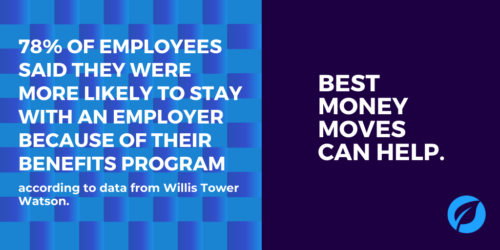
Digital benefits are a great way to signal to employees that their needs are being met. According to Willis Tower Watson, 78% of employees said they were more likely to stay with an employer because of their benefits program. However, to it’s vital for employers to ensure that their employees understand how to use their benefits effectively and to listen to what their employees want. One of the best ways to do that is by providing a comprehensive digital financial wellness program. According to a Bank of America survey, the demand for professional, personalized financial advice from employees has steadily increased since the pandemic.


Real world financial guidance. Digital tools. All in the palm of your hand.  That’s Best Money moves.

Best Money Moves is a financial wellness solution designed to help dial down employees’ most top-of-mind financial stresses. As a comprehensive financial wellbeing solution, Best Money Moves offers 1:1 money coaching, budgeting tools and other resources to improve employee financial wellbeing, regardless of one’s income level and background. Our AI platform, with a human-centered design, is easy to use and fit for employees of any age and financial background. 

Whether it be college planning or securing a mortgage, Best Money Moves can guide employees through the most difficult financial times and topics. Our dedicated resources, partner offerings and 700+ article library make Best Money Moves a leading benefit in bettering employee financial wellness.

To learn more about Best Money Moves Financial Wellness Platform, let’s schedule a call. Contact us and we’ll reach out to you soon.