This Is What To Know About The Retirement Crisis For LGBTQ+ Employees (And How To Fix It)
Retirement security is a growing concern for many Americans, with an increasing number of older workers staying in the workforce longer due to financial insecurity. However, for LGBTQ+ employees, the challenges are even greater. Systemic barriers such as wage disparities, workplace discrimination, limited access to pensions and healthcare inequities have created a retirement crisis for LGBTQ+ employees.
As we recognize Pride Month 2025, it is essential to reflect not only on the progress made in LGBTQ+ rights but also on the financial inequalities that persist. Marriage equality and workplace protections have improved over time. But LGBTQ+ workers still face unique obstacles to achieving a secure retirement.
Understanding the LGBTQ+ Retirement Crisis: Financial Disparities in Retirement
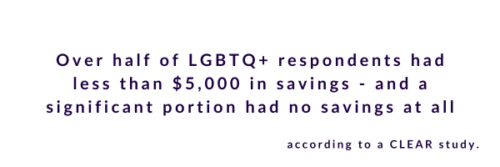
Many LGBTQ+ employees struggle with financial insecurity, particularly when it comes to preparing for retirement. A significant portion of older LGBTQ+ adults earn less and have more difficulty paying their bills compared to their non-LGBTQ+ counterparts. This financial instability is reflected in their savings habits. A 2023 survey found that over half of LGBTQ+ respondents had less than $5,000 in savings and 20% reported having no savings at all. Additionally, LGBTQ+ individuals are less likely to have access to traditional pensions, which have historically provided greater financial security for retirees.
For many in the LGBTQ+ community, these financial disparities result in a delayed or uncertain retirement. Among single LGBTQ+ older adults, 50% believe they will have to work beyond the traditional retirement age, compared to just 27% of single non-LGBTQ+ individuals. Even same-sex partnered couples experience a retirement income gap, with studies showing they have 38% less income from retirement savings than heterosexual couples.
Workplace Discrimination and Income Inequality
One of the most persistent obstacles to retirement security for LGBTQ+ employees is workplace discrimination. While legal protections have improved over the years, there is still no federal law explicitly safeguarding LGBTQ+ workers from job discrimination. 18 states still allow employees to be fired simply for being LGBTQ+. This lack of protection contributes to financial insecurity. 53% of LGBTQ+ employees reporting that discrimination has negatively impacted their work environment.
Transgender individuals, in particular, face significant employment challenges, with an unemployment rate three times higher than the national average. Even among those who do find employment, income disparities persist. While gay men’s earnings are gradually reaching parity with straight men in comparable jobs, lesbian women still earn less than their heterosexual counterparts, limiting their ability to save and take advantage of employer-matching retirement benefits. Additionally, a study analyzing Federal Reserve data found that same-sex couples have lower median retirement savings—about $66,000 compared to $88,000 for different-sex married couples.
Health Disparities and Lack of Social Support
Beyond financial struggles, LGBTQ+ retirees often face challenges related to healthcare and caregiving. This further impacts their ability to retire securely. Studies have shown that LGBTQ+ individuals experience higher rates of substance abuse, smoking, depression, and unhealthy weight control compared to the general population. Many also avoid seeking healthcare due to fear of discrimination, leading to undiagnosed and untreated chronic conditions that become costly over time.
These concerns are especially pronounced among LGBTQ+ elders. Research indicates that 43% of older LGBTQ+ singles and 40% of those in their 60s to 70s have not disclosed their sexual orientation to their healthcare providers, making it harder to receive appropriate medical care. Additionally, 65% of transgender adults worry about limited access to healthcare providers as they age.
Another major issue facing LGBTQ+ older adults is the lack of traditional family caregiving support. LGBTQ+ individuals are three to four times less likely to have children than their non-LGBTQ+ peers. This means they often lack the familial support that many older Americans rely on for assistance with aging-related needs. While many LGBTQ+ individuals cultivate strong “families of choice” with close friends and community members, these support networks often consist of people in the same age group, limiting their ability to provide long-term caregiving assistance. This lack of support increases the need for expensive professional caregiving services, further straining financial resources in retirement.
How Employers Can Help Close the Gap
1. Expanding Access to Retirement Benefits
One of the most effective ways employers can help LGBTQ+ workers in this retirement crisis is by expanding access to retirement benefits. Companies should implement automatic enrollment in 401(k) plans with employer-matching contributions. This ensures that all employees have the opportunity to build long-term savings. Additionally, spousal benefits should explicitly include same-sex partners, allowing LGBTQ+ employees to access the same financial protections as their heterosexual colleagues.
Employers can also play a role in increasing financial literacy among LGBTQ+ employees by offering educational programs that focus on retirement planning, debt management and investment strategies.
2. Addressing Workplace Discrimination and Pay Inequality
To close the wage gap and improve financial security for LGBTQ+ employees, employers must commit to creating inclusive and equitable workplaces. This includes implementing comprehensive anti-discrimination policies, promoting salary transparency and ensuring equal pay for equal work.
Offering inclusive healthcare benefits such as gender-affirming care and mental health resources can also help reduce the financial burden on LGBTQ+ employees. By addressing the systemic barriers that contribute to lower earnings and higher medical costs, employers can create a fairer and more supportive work environment.
3. Supporting LGBTQ+ Employees in Long-Term Care Planning
Given the caregiving challenges many LGBTQ+ retirees face, employers should offer elder care resources and caregiving benefits to help employees plan for the future. Encouraging LGBTQ+ workers to build alternative aging support networks such as younger colleagues, extended family members and community organizations can also help offset the lack of traditional family caregiver.
Looking for a financial wellness solution? Try Best Money Moves!
The retirement crisis for LGBTQ+ employees is a serious but solvable issue. By recognizing the unique financial challenges LGBTQ+ workers face and taking proactive steps to address them, employers can help ensure a more equitable future for all employees. Expanding retirement benefits, enforcing workplace protections, and providing access to inclusive healthcare and caregiving support are all critical steps in closing the gap.
As we celebrate Pride Month 2025, let’s not just reflect on progress but actively work toward a future where every American, regardless of sexual orientation or gender identity, can retire with dignity and financial security.